Projects
Our expertise in action
Maintenance in aquarium
Water easily finds its way to go out, that is why tanks tend to leak. In public aquariums, there are two distinct approaches to solve an escape :
◁ In dry condition, you have to remove first living things (animals and plants) and then water for realizing works.
◁ In wet condition, divers can fix the leak with minimum disturbance for marine life.
In general, the way to proceed depends on the volume of water. For small tanks, it will be done in dry condition and for big reservoirs in wet condition.

Opening hours
Visit while work in progress

Marine life
Underwater repairs with minimal disturbance
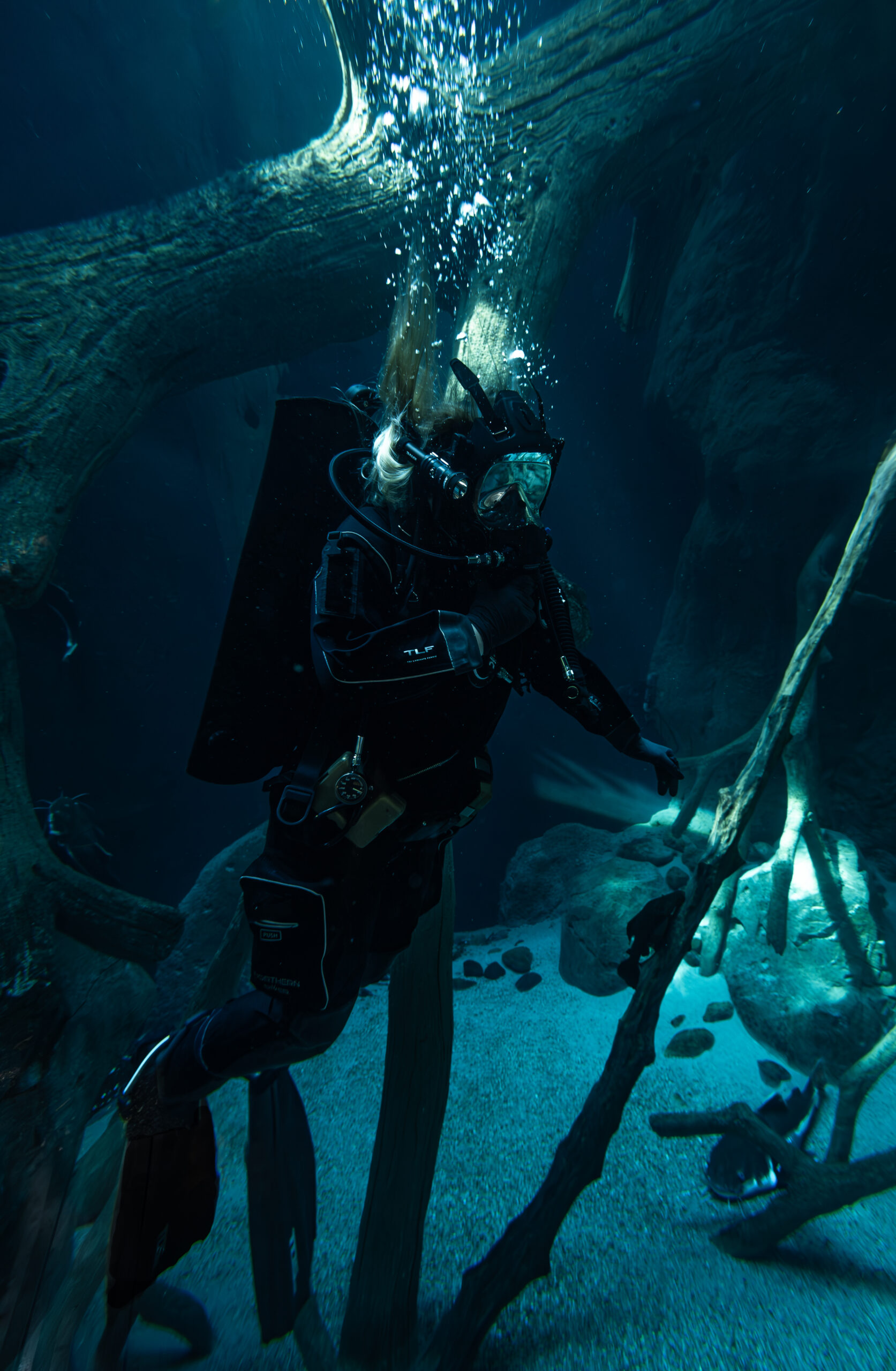
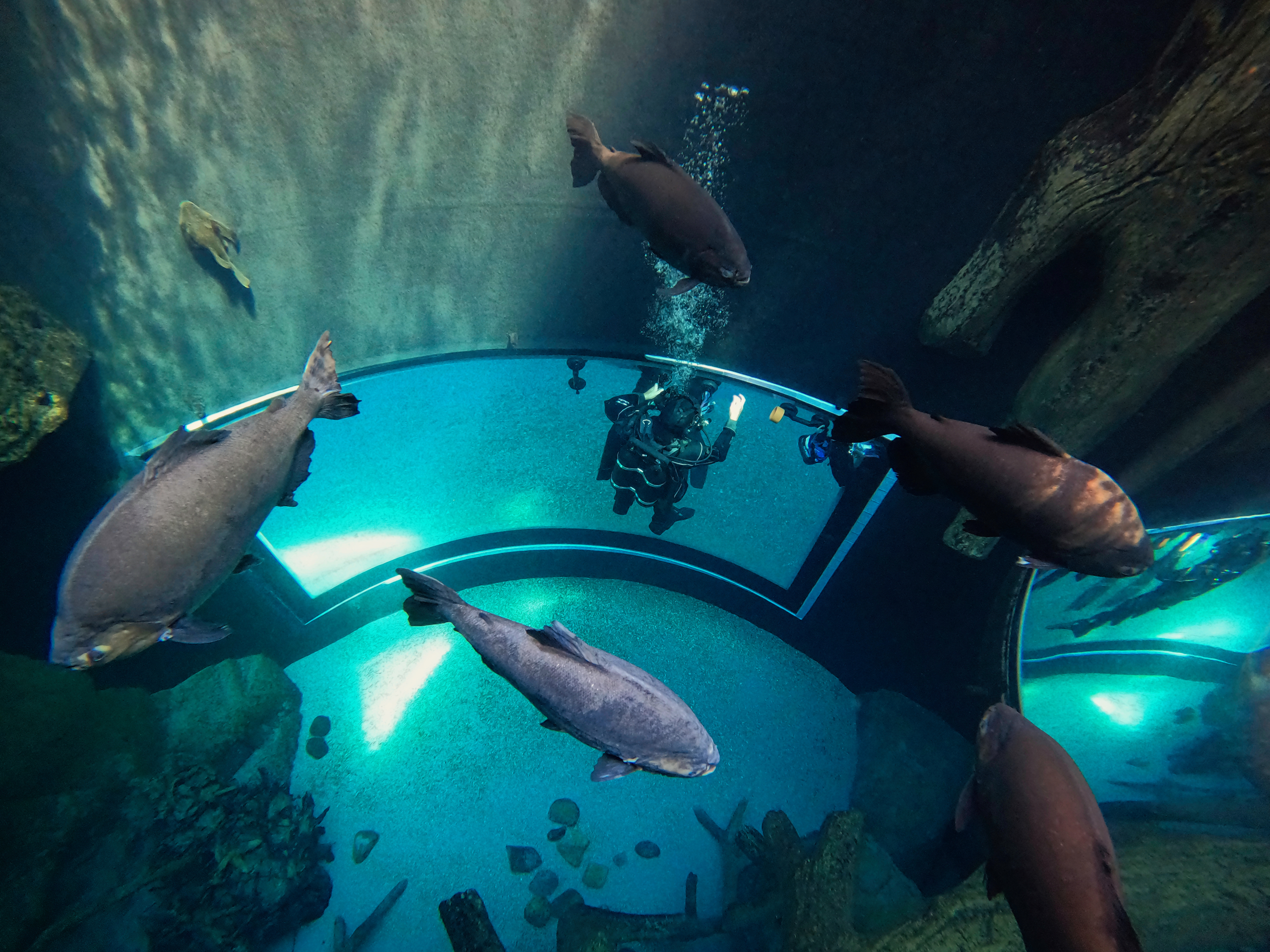
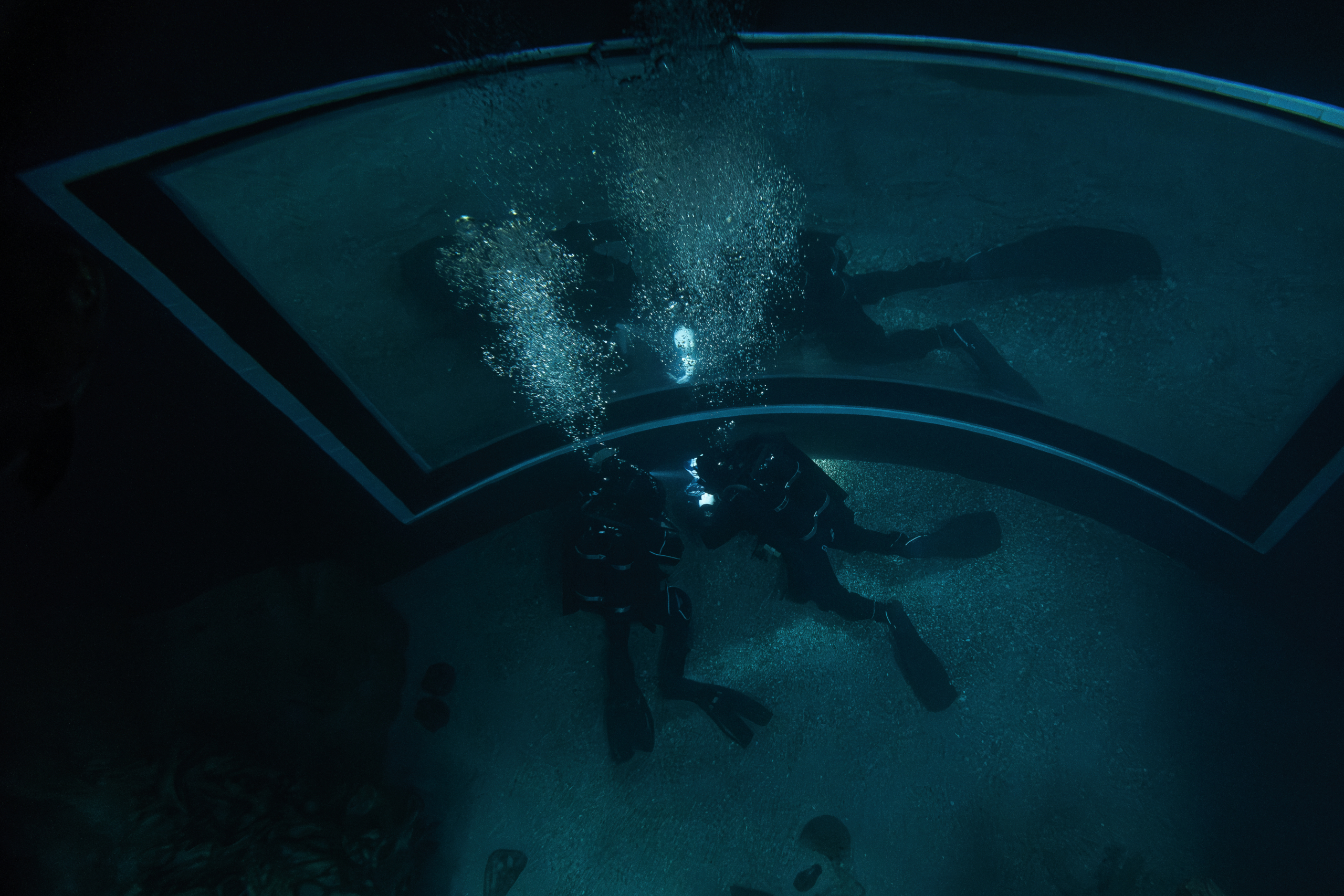
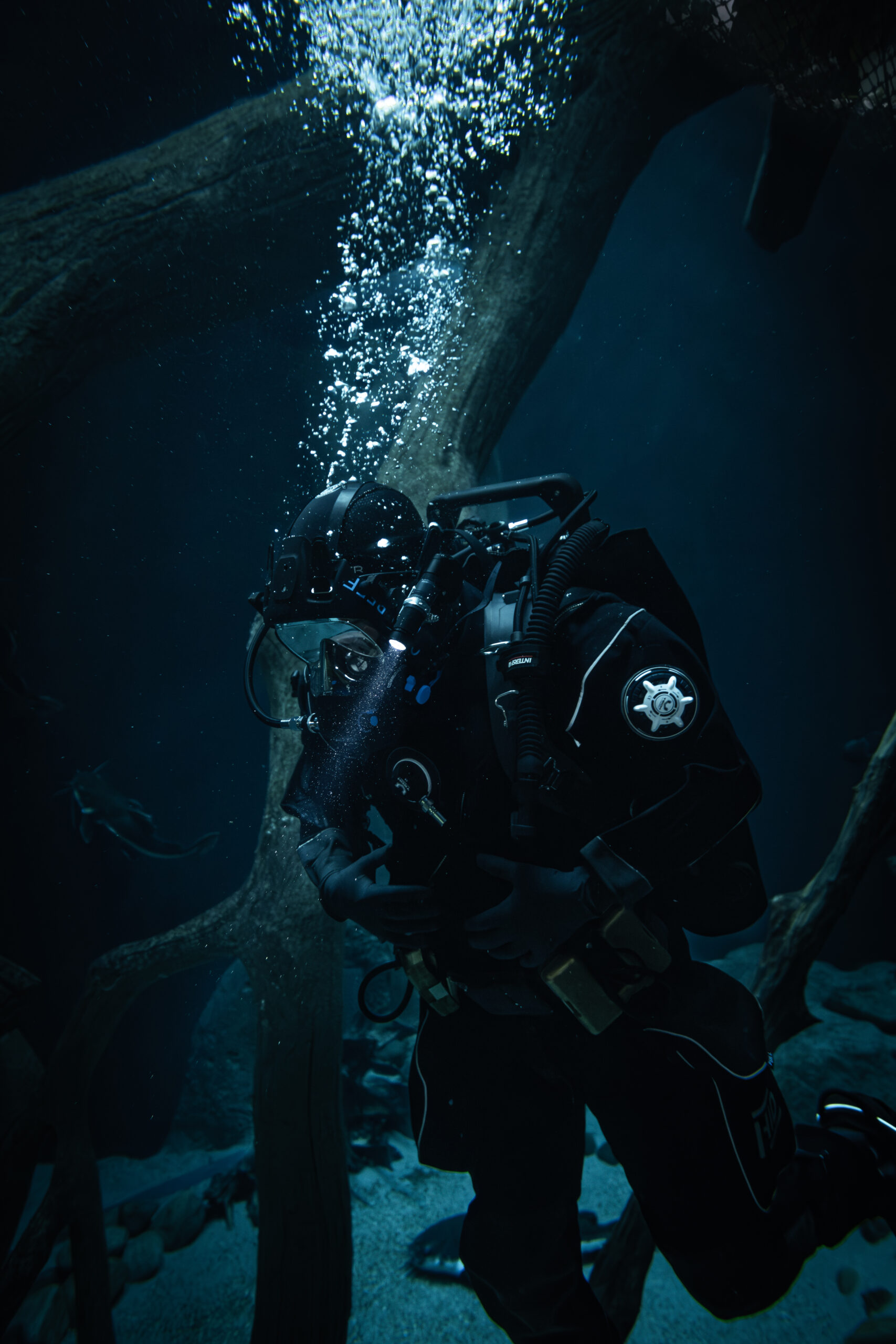
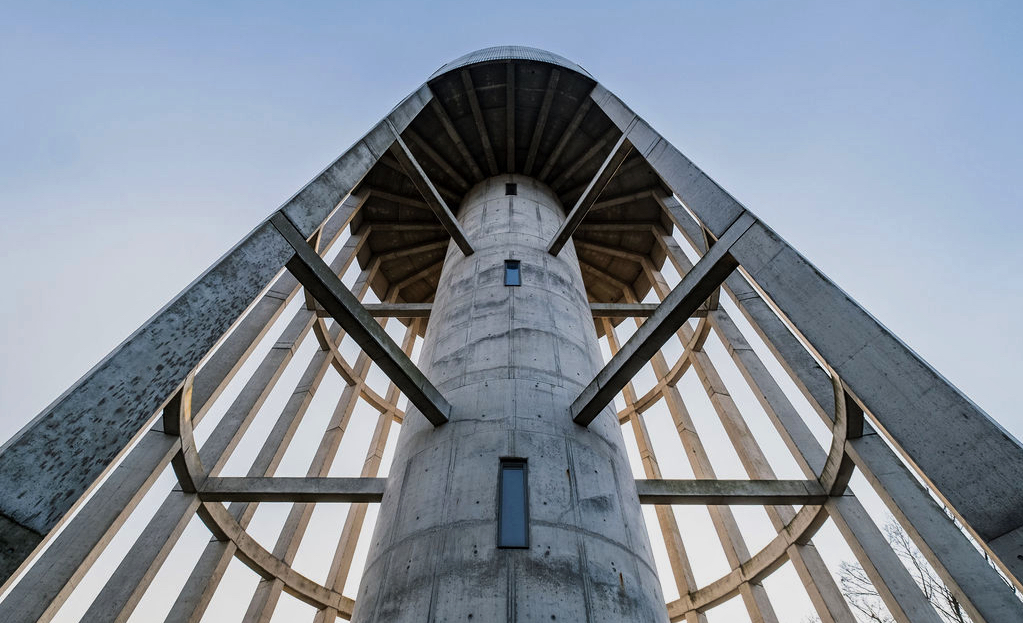
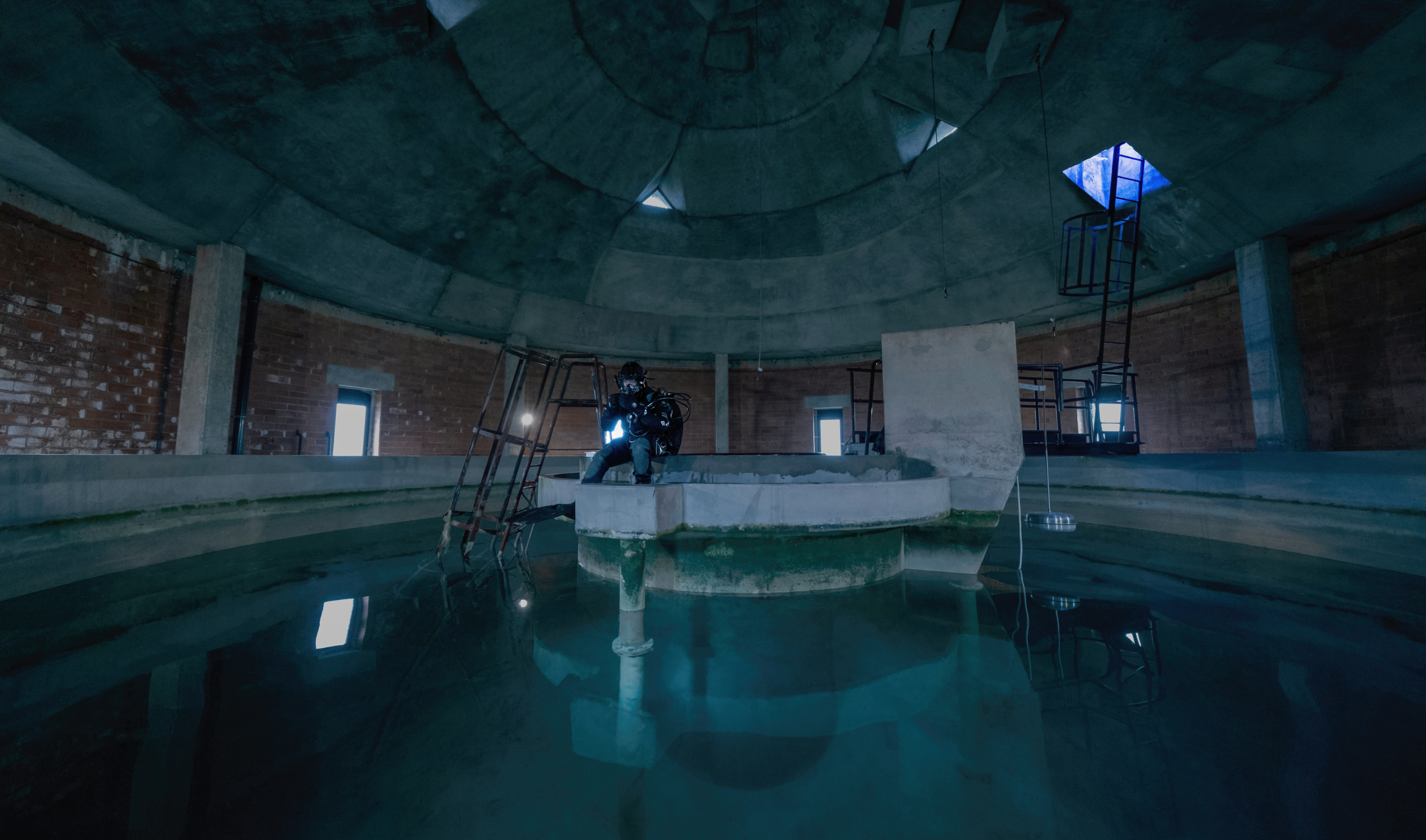
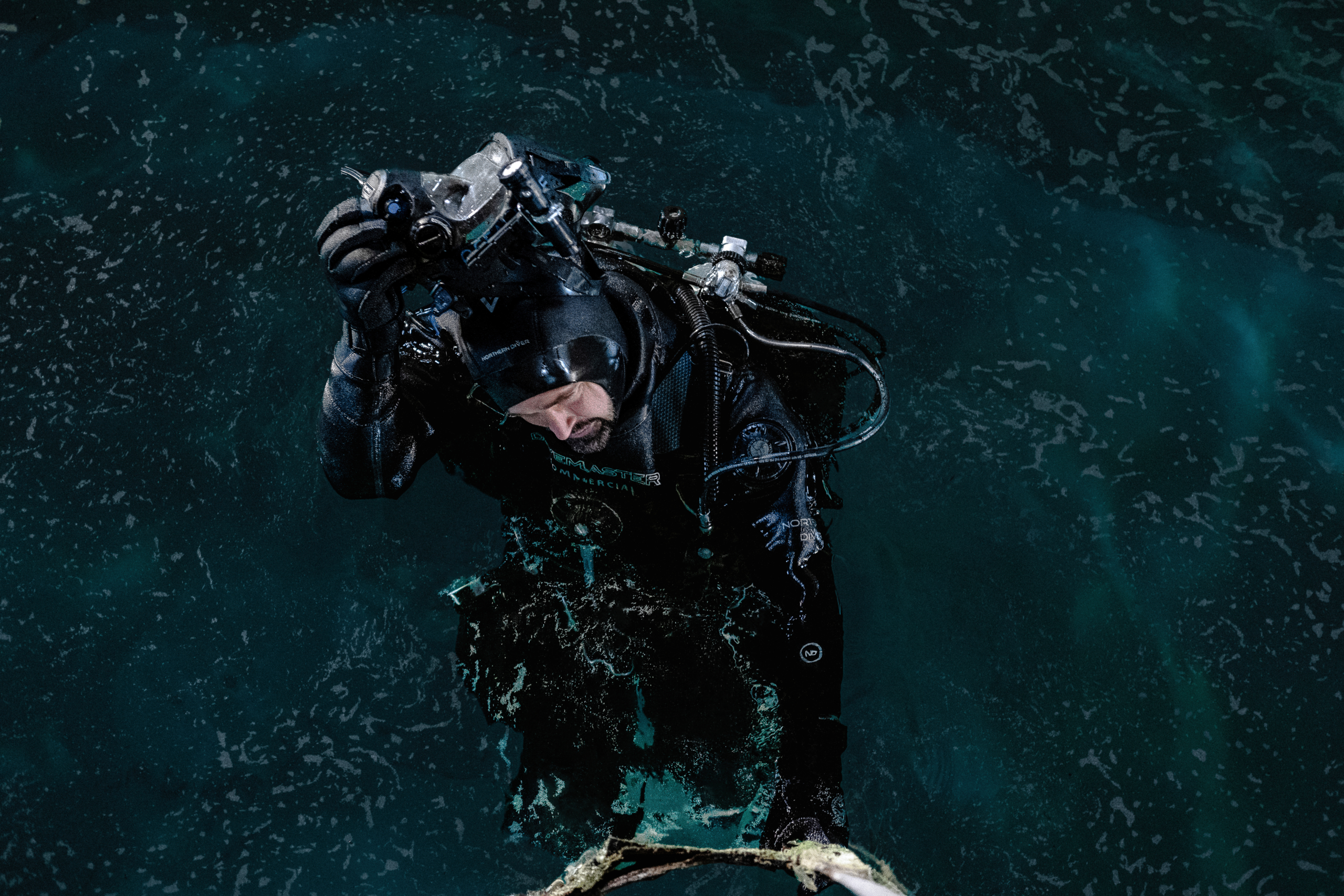
Dive operation in a watertower
When a technical problem of production of drinkable water happened, our specialized team intervened in a watertower.
The mission was to unclog two regulating valves while keeping the quality of water.
We took all precautionnary measures for avoiding any risk of pollution. It was vital the drinkable water remains safe for consumption.
At Atlante, we understand the challenges of working in complex and hazardous environments.
This is why we follow the strictest safety regulations on land and underwater, in height and confined space.

Decontamination
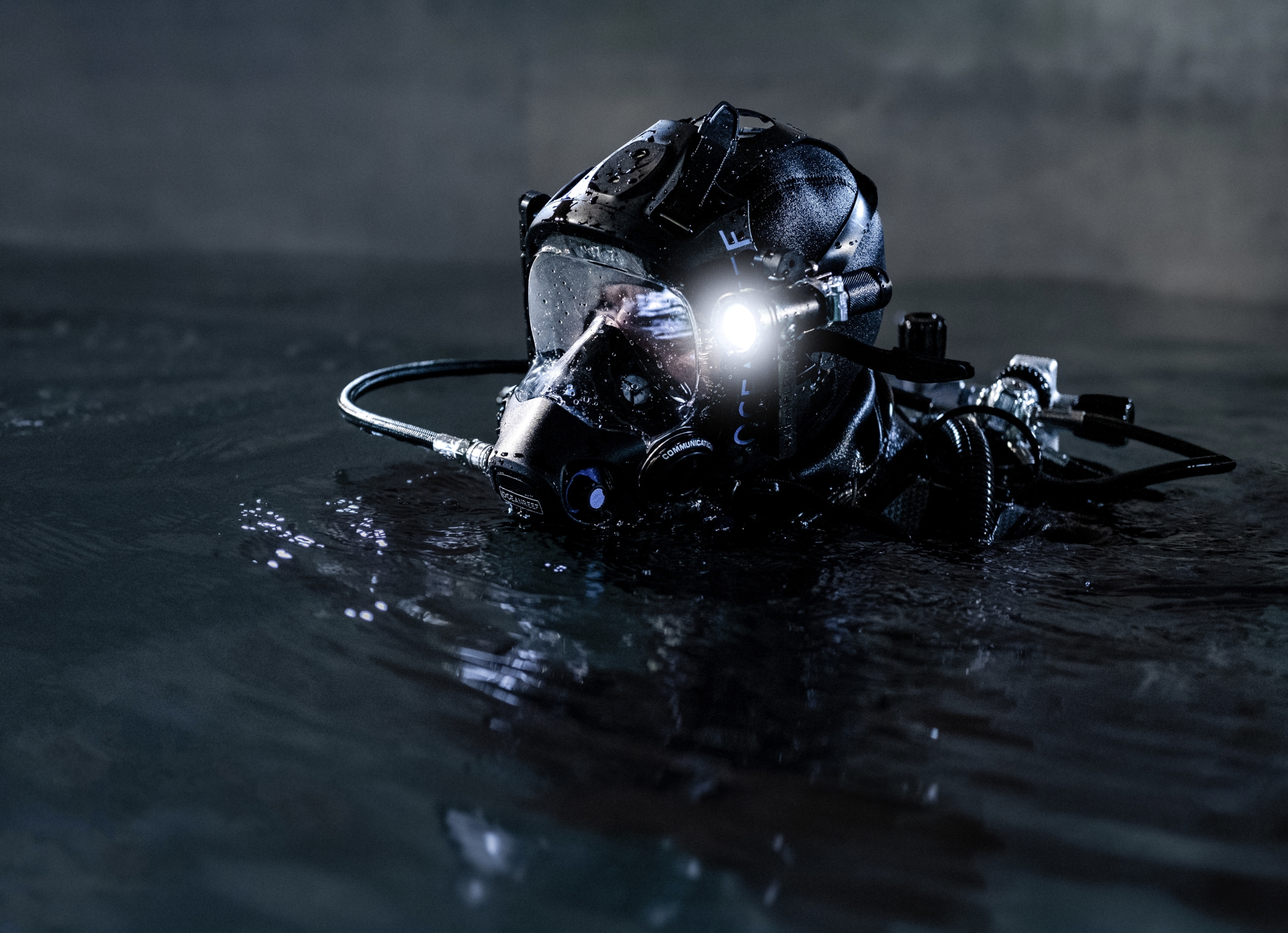
Equipment, material and divers

Safety First
Risk assessment
Advanced leak detection
During an inspection we identify structural vulnerabilities of building before they become critical failures. Our systematic approach ensures no leak goes undetected.
A water leak brings to structural consequences which can be hazardous. In contact with reinforcement bars, it corrodes. Over time, the section of metal will decrease as well as the resistance of the concrete.
Keeping an active leak will generate bigger problems in the future.

Dye tracer test
Colored agent harmless for marine life
Pressurized air technics
For detecting micro leaks
Underwater art preservation
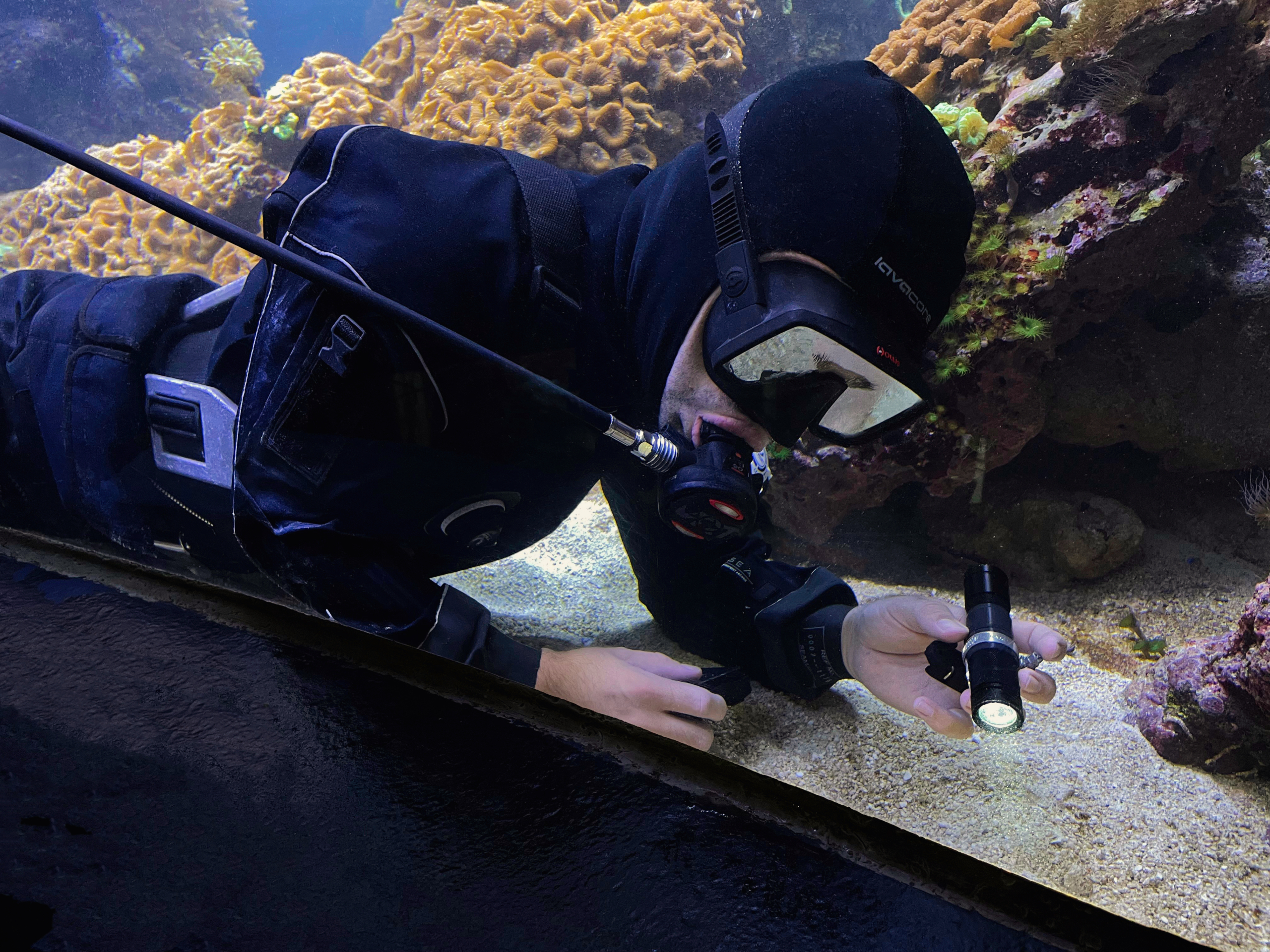
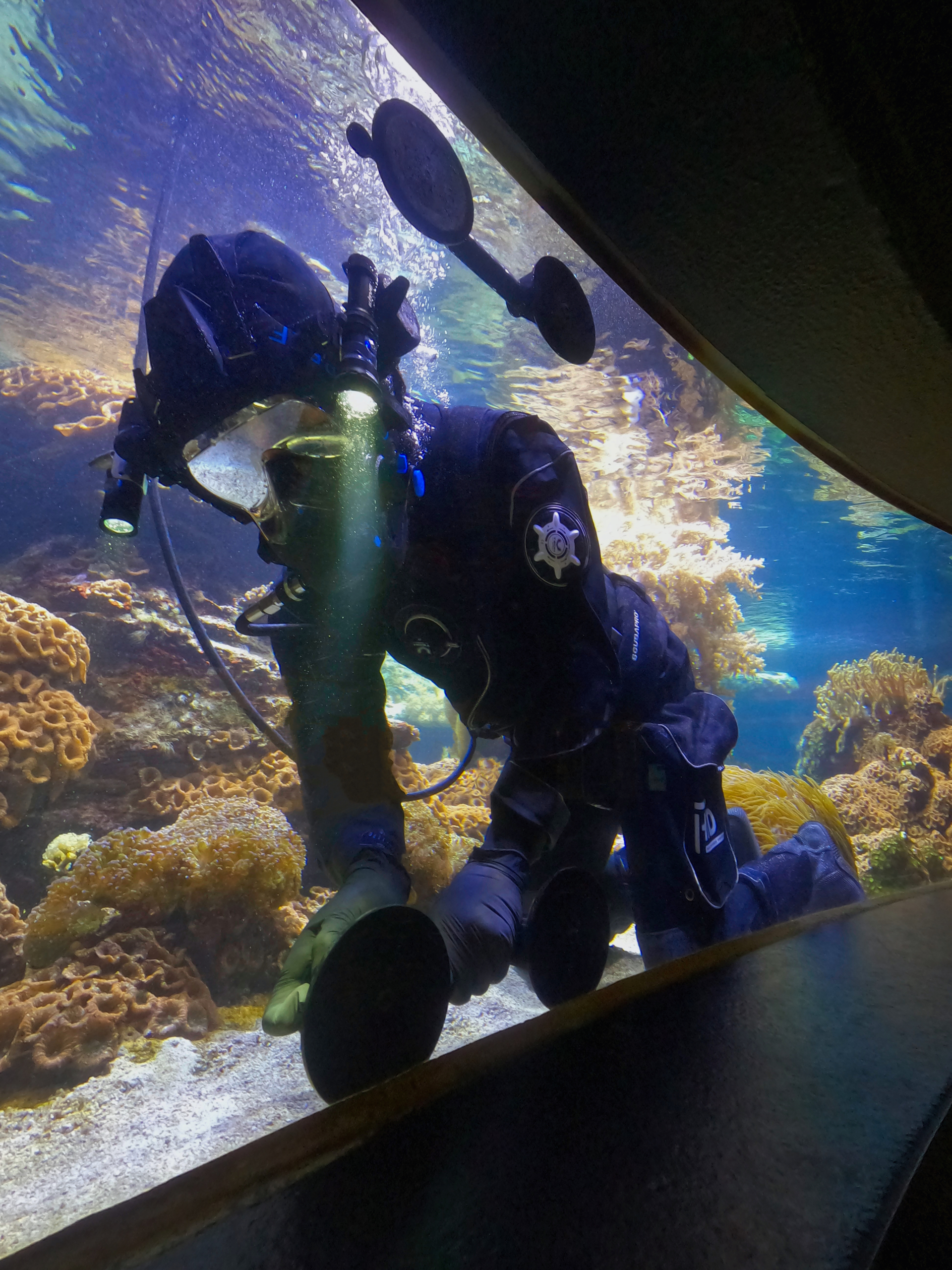
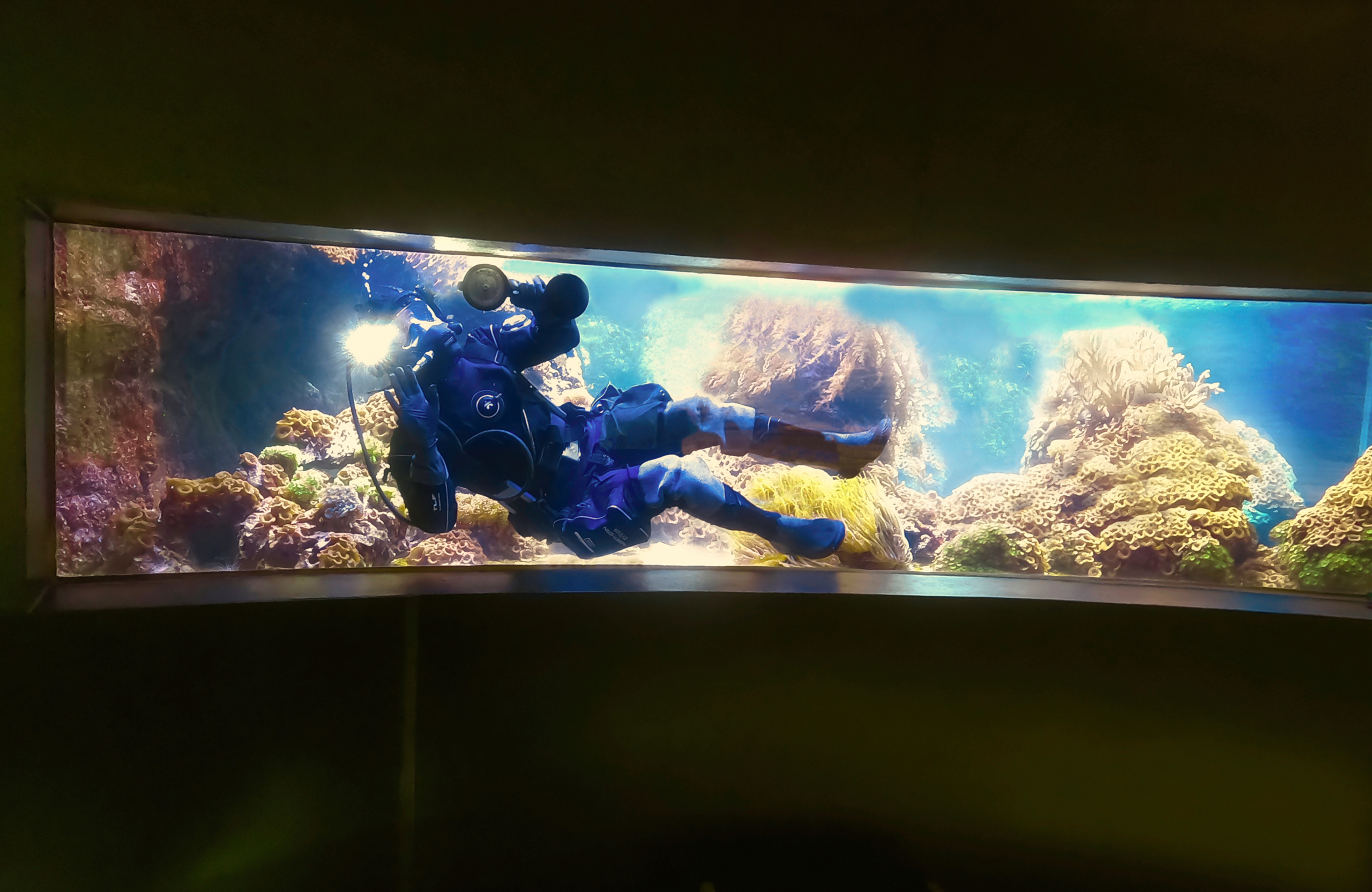
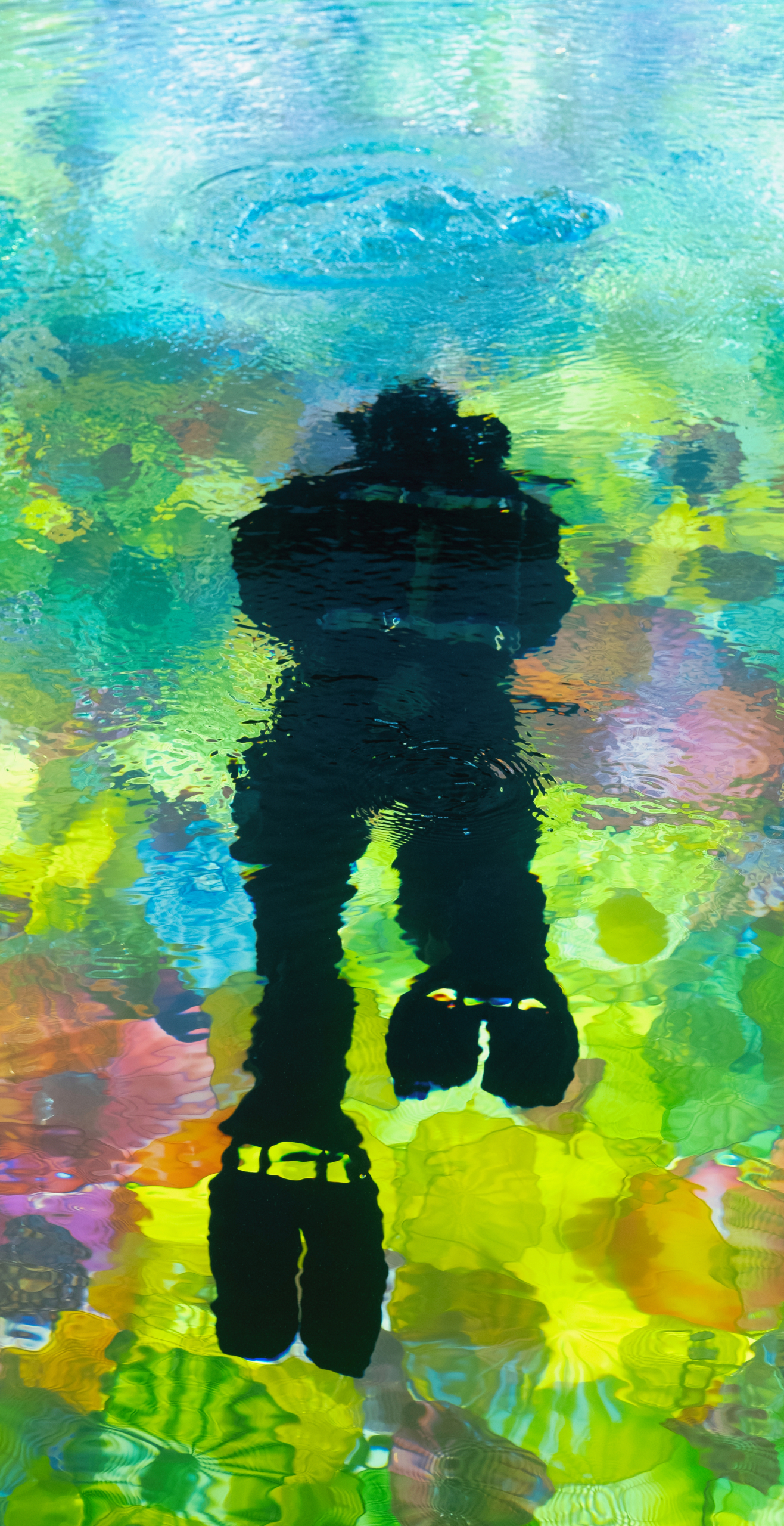
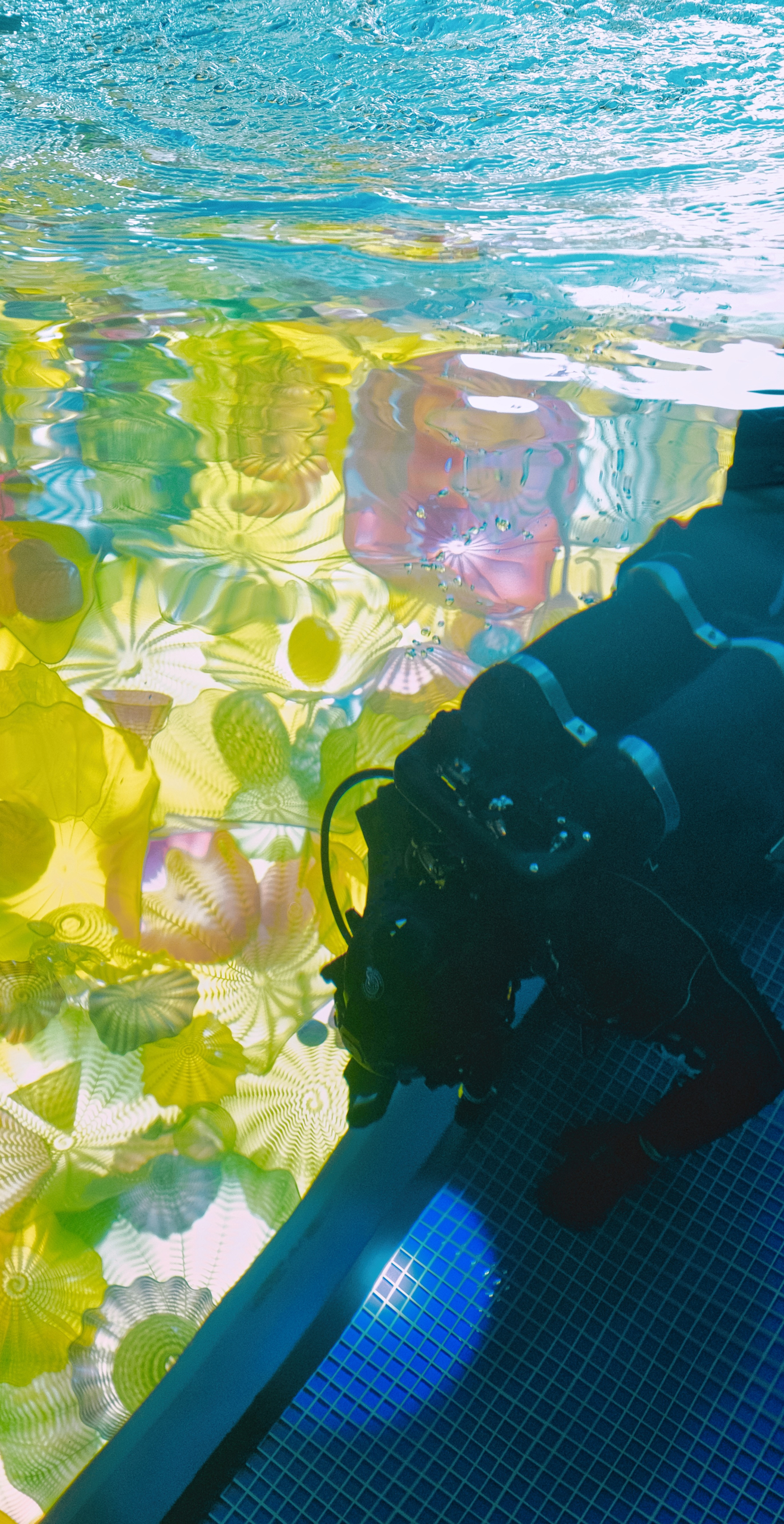
When Dale Chihuly's masterpiece was threaten by a leak, Atlante was called in emergency for a specific underwater recovery.
This delicate operation demanded perfect coordination between diving expertise and conservation requirements. Our team has adapted to the situation and we have combined artistic awareness with technical precision.

Zero damage
Pristine condition and secured

Museum Standards
Conservation-grade handling protocols
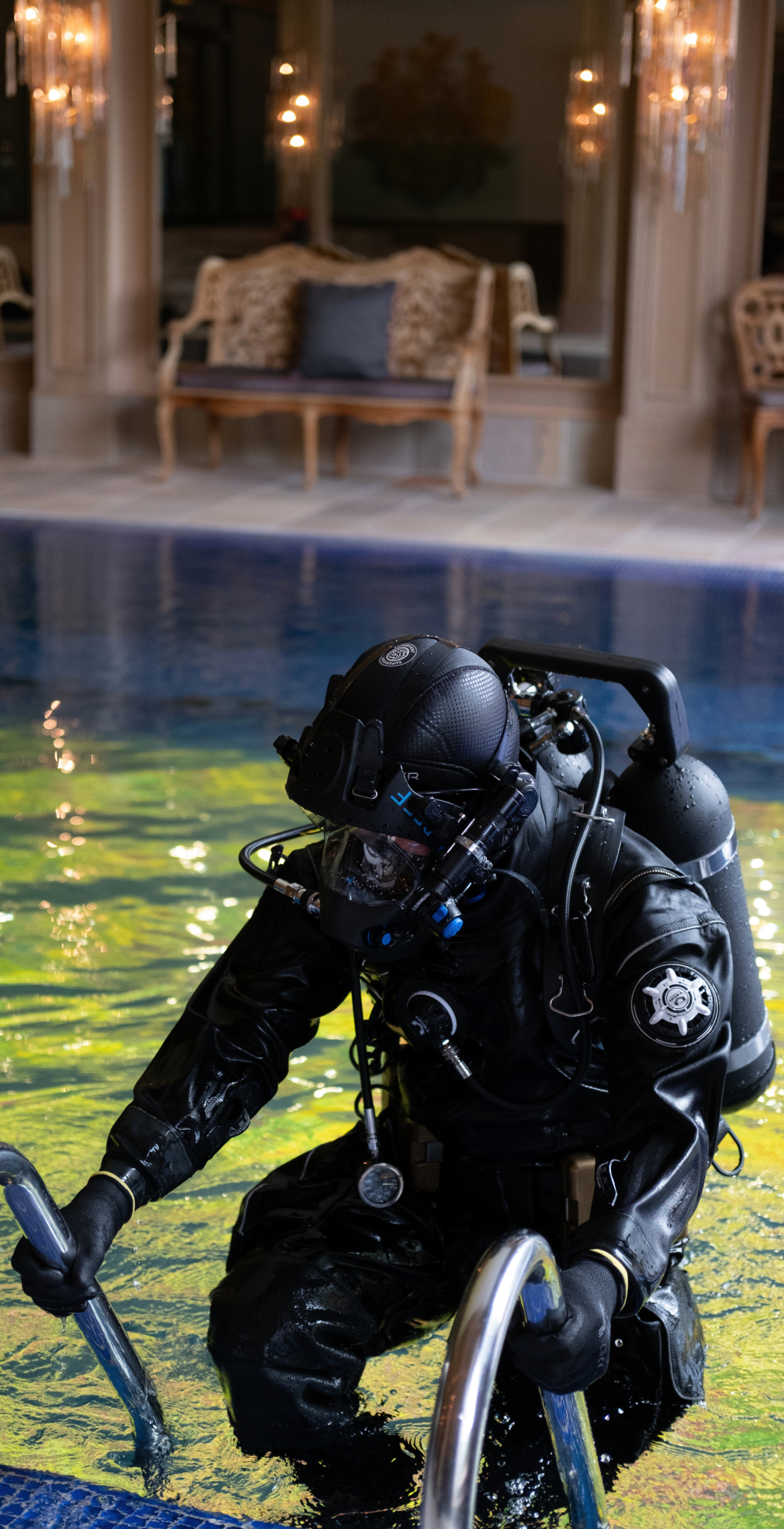
Maintaining the structural integrity and aesthetic clarity of large-scale aquatic facilities requires more than just standard engineering; it demands specialized underwater intervention. At Atlante Solutions, our commercial diving projects for aquariums and pools represent the intersection of high-level technical diving, precision engineering, and biological safety. For facility managers and aquarium directors, the challenge is clear: how to perform critical repairs or installations without the catastrophic cost and logistical nightmare of draining millions of liters of water or relocating sensitive marine life.
Our portfolio demonstrates a track record of "wet condition" operations that prioritize ecosystem stability. Whether it is a 500m³ public tank or a high-profile architectural pool in a luxury resort, our ADCI-certified divers utilize non-invasive technologies to solve complex problems. By operating 24/7 and adhering to the strictest international safety standards, we ensure that your facility remains operational while we resolve structural vulnerabilities, polish massive acrylic windows, or install new underwater infrastructure.
Every project in this gallery is a testament to our commitment to excellence, showing how we avoid the "butterfly effect" where a small, undetected leak can evolve into a major structural failure. Here, we document the technical rigor and successful outcomes of our past interventions across the globe.
Maintenance Projects: Public Aquariums and Marine Installations
The core of our operational history lies in the preventive and corrective maintenance of public aquaria. An aquarium maintenance project case study typically involves complex life support systems (LSS) and the cleaning of massive habitats. We specialize in performing these tasks while the facility remains open to the public, ensuring "business as usual" for both visitors and administrators.
Our team has managed interventions in tanks exceeding 500m³, where biopollution risk is a primary concern. Every piece of equipment, from our specialized diving suits to the tools used for cleaning valves, undergoes a rigorous decontamination process to protect the delicate nitrogen balance of the water.
Managing a marine installation requires a systematic approach to sediment removal, LSS intake cleaning, and structural monitoring. By performing these tasks subaquatically, we eliminate the need for dry-condition maintenance, which often results in zero ecosystem impact and significant cost savings. Our divers are trained to work among sensitive species, maintaining a calm environment that prevents stress-related issues in the fauna.
Impact Metrics: Downtime Saved and Risk Avoided
Quantifying success in commercial diving projects means looking at what didn't happen. By choosing underwater intervention over tank drainage, our clients typically save between 40% to 60% in operational costs. In large public aquariums, the risk of animal loss during relocation is a major liability; our "wet" maintenance protocols reduce this risk to zero.
Furthermore, we track our efficiency through rapid deployment metrics. In critical production environments, such as water towers or large-scale marine life reservoirs, our team has achieved 12-hour rapid deployment cycles to unclog regulating valves or secure structural joints, preventing the total shutdown of water supply systems.
Leak Detection and Emergency Repair—Success Stories
Water is relentless, and even a 0.1mm fissure can lead to catastrophic concrete corrosion if left untreated. Our leak detection successful projects highlight our use of advanced diagnostic tools to identify vulnerabilities before they reach a tipping point. We utilize harmless dye tracer tests and pressurized air techniques to map exactly where water is escaping.
When a leak is detected, the emergency repair phase begins. We have successfully sealed structural cracks in architectural pools and aquarium tanks using specialized underwater resins and mechanical seals that cure perfectly in high-pressure aquatic environments.
A notable example involved a pressurized water tower where our team intercepted a critical failure in the regulating valves. By intervening at height and in a confined space, we maintained the safety of the drinkable water while ensuring the structure remained intact. This systematic approach ensures that the reinforcement bars within the concrete are not exposed to corrosive elements, extending the life of the building by decades.
Advanced Leak Detection and Structural Vulnerabilities
Our diagnostic process is backed by mapping technology that offers 97% prevention rates. We don't just find the leak; we analyze the "why" behind the failure. Often, leaks in architectural pools are caused by thermal expansion or ground shifting. Our team provides high-accuracy mapping (up to 0.1mm) that allows facility managers to visualize the health of their infrastructure.
Once identified, the structural vulnerabilities are addressed with museum-grade precision. By preventing water from reaching reinforcement bars (rebar), we halt the oxidation process that can lead to concrete spalling. This proactive stance is the cornerstone of our "Safety First" philosophy.
Acrylic Window Restoration and Polishing Results
The clarity of an aquarium is its greatest asset. However, over time, acrylic panels suffer from micro-scratches, chemical etching, and bio-growth. Our acrylic window restoration portfolio showcases our ability to return massive viewing panels to "like-new" condition without removing them from their frames.
Using proprietary underwater polishing techniques, we remove surface imperfections that obstruct the view of the marine life. Our divers work with varying grits of abrasive materials, meticulously smoothing the acrylic until it regains its original refractive index. This process is essential for high-end resorts and public aquariums where the visual experience is the product.
Restoration is not just about aesthetics; it is about longevity. Deep scratches can act as stress concentrators, potentially compromising the integrity of the panel. By polishing these out, we restore the uniform strength of the acrylic, ensuring the safety of visitors on the other side of the glass.
Case Study: Restoration under Museum Standards
In a high-profile museum-grade tank, the requirements for clarity are absolute. We have executed projects where the visual documentation before and after showed a total elimination of light-diffusing scratches. Following strict protocols, our divers ensured that the polishing compounds used were 100% harmless to the sensitive ecosystems within the tank.
This level of precision is why leading institutions trust us with their most valuable assets. The results are pristine conditions that enhance visitor engagement and protect the massive investment represented by the acrylic panels.
Advanced Art Preservation Operations Underwater
Perhaps the most specialized segment of our portfolio is the preservation of underwater art. When high-value installations are placed in aquatic environments—such as the Dale Chihuly masterpiece we were called to protect—the engineering requirements become art-grade.
Our underwater art preservation operations combine technical diving with conservation-grade handling protocols. When a leak threatened a multi-million dollar installation, Atlante Solutions was deployed to perform a 72-hour emergency operation. The goal was twofold: secure the structure and ensure the artwork remained in pristine condition.
This type of work requires Artistic Awareness. The coordination between our divers and the conservation technicians on the surface must be perfect. We use specialized recovery equipment designed to handle delicate materials without leaving marks or causing stress fractures. Our successful preservation of these works of art demonstrates that we can handle even the most delicate and high-value underwater environments.
Panel Installation and Replacement in Architectural Pools
Modern architecture increasingly incorporates water as a primary design element, often using transparent panels in high-rise sky pools or luxury villa reservoirs. Our architectural pool acrylic installation case studies reflect our work with architects and luxury resort developers to bring these "invisible" walls to life.
Installing a panel weighing several tons requires extreme precision. Our divers manage the final seating and sealing process, ensuring that the gaskets and silicone joints are perfectly aligned. This is critical for preventing leaks in sky pools, where a failure could have disastrous consequences for the floors below.
We provide a comprehensive service that includes the initial installation, the sealing of the "wet-to-dry" interface, and the long-term maintenance of the acrylic. These projects often involve working at height or in complex urban environments, requiring a specialized set of safety protocols.
International Aquarium Panel Repair Cases
Our reach is global. In our international aquarium panel repair operations, we have deployed teams to multiple continents to solve urgent structural issues. Whether it is a seal failure in a Mediterranean facility or a scratched viewing port in a tropical resort, our team arrives with the necessary logistics to operate immediately.
These international deployments often involve navigating different regulatory environments, yet our adherence to ADCI standards remains constant. We provide the same level of technical reporting and quality assurance regardless of the project's geographic location, ensuring that all technical references are met with 100% compliance.
Safety Protocols and Museum-Grade Interventions
Safety is not just a checklist at Atlante Solutions; it is the foundation of every dive. Our certified divers project gallery reflects a "Safety First" culture that is applied to every environment, from height-restricted water towers to deep-water aquarium tanks. We perform a rigorous risk assessment before every intervention, considering factors like diver fatigue, equipment decontamination, and fauna safety.
For museum-grade interventions, our protocols exceed standard commercial diving requirements. We understand that the "Butterfly Effect" in a controlled environment can lead to massive losses. Therefore, we utilize specialized tools that produce zero biopollution and follow conservation-grade handling for any object we touch.
Our documentation process is equally rigorous. Each project concludes with a detailed technical report, including photo and video evidence of the work performed. This transparency allows facility managers to satisfy insurance requirements and internal audits, providing peace of mind that the infrastructure is secure.
Geographic Scope and International Deployments
From our home bases to the most remote aquarium installations, our geographic scope ensures that high-level diving expertise is always accessible. We maintain a "24/7 Emergency Ready" status, allowing us to respond to critical leaks or structural failures anywhere in the world within days.
Our international success is built on a foundation of technical references. We invite prospective clients to review our diverse history of interventions, which spans from potable water towers in urban centers to the world's most prestigious marine parks.
"When our primary viewing panel developed a micro-leak, the prospect of draining the tank was financially impossible. Atlante Solutions intervened subaquatically, solving the issue in 72 hours with zero impact on our marine life. Their professionalism is unmatched."
Our technical references include some of the most complex aquatic engineering projects currently in operation. By documenting these successes, we aim to provide a roadmap for other facility managers facing similar challenges. We don't just provide a service; we provide a partnership in infrastructure longevity.
Frequently Asked Questions (FAQ)
¿Qué tipo de proyectos han desarrollado con éxito?
Hemos ejecutado con éxito reparaciones estructurales en acuarios de más de 500m³, restauraciones de paneles acrílicos de gran escala y salvamento de obras de arte subacuáticas de alto valor. También intervenimos regularmente en torres de agua potable y piscinas arquitectónicas de lujo, resolviendo problemas de válvulas, juntas y filtraciones críticas sin necesidad de vaciado.
¿Cuál es el alcance geográfico de las intervenciones?
Tenemos capacidad de despliegue internacional, operando para acuarios públicos, resorts y gestoras de infraestructuras en múltiples países. Nuestra logística nos permite una movilización rápida para emergencias críticas relacionados con fugas o fallos estructurales en cualquier continente, manteniendo siempre los estándares de certificación ADCI en cada operación.
¿Qué problemas resuelven más a menudo?
Los problemas más frecuentes incluyen la detección y sellado de fugas invisibles, la re-impermeabilización de juntas estructurales, y la eliminación de rayaduras o calcificaciones en paneles acrílicos. También nos especializamos en desatascar sistemas de filtración y válvulas reguladoras en reservorios activos donde no se puede interrumpir el suministro o la vida marina.
¿Hay referencias de instalaciones similares a la mía?
Contamos con un extenso portafolio que abarca desde tanques cilíndricos masivos en acuarios nacionales hasta sky pools en rascacielos. Cada intervención se documenta con métricas de impacto y resultados visuales. Si su instalación es técnica, es muy probable que ya hayamos resuelto un problema similar en un entorno de complejidad comparable.
¿Qué tecnologías específicas aplican en emergencias?
En situaciones de emergencia, utilizamos técnicas de aire presurizado para trazado de micro-fugas, cámaras submarinas de alta definición para mapeo con precisión de 0.1mm y trazadores colorantes inocuos para la fauna. Disponemos de resinas de curado subacuático de fraguado rápido que permiten detener filtraciones en cuestión de horas tras el despliegue.
¿Cómo se documentan los proyectos realizados?
Cada proyecto incluye un informe técnico exhaustivo con registros fotográficos y de vídeo "antes y después". Proporcionamos una memoria técnica detallando los materiales utilizados, los protocolos de seguridad seguidos y las pruebas de presión o estanqueidad finales, asegurando que el cliente tenga evidencia documental para sus auditorías y seguros.
¿Qué protocolos siguen en conservación y seguridad?
Seguimos los protocolos de grado museístico para el manejo de estructuras y fauna, garantizando cero impacto en el ecosistema. Nuestro compromiso "Safety First" incluye evaluaciones de riesgo previas, descontaminación rigurosa de equipos para evitar biopolución y cumplimiento estricto de las normativas internacionales de buceo comercial (ADCI).